
How to Choose the Perfect Color Palette for Your Home Decor

Choosing the perfect color palette for your home decor can be a daunting task, especially with the myriad of options available today. Many homeowners struggle with selecting colors that not only reflect their personal style but also create a cohesive and inviting atmosphere. Understanding the fundamentals of color theory and how colors interact can simplify this process and lead to a beautifully designed space.
Myth: You Can Only Use Neutral Colors for a Timeless Look
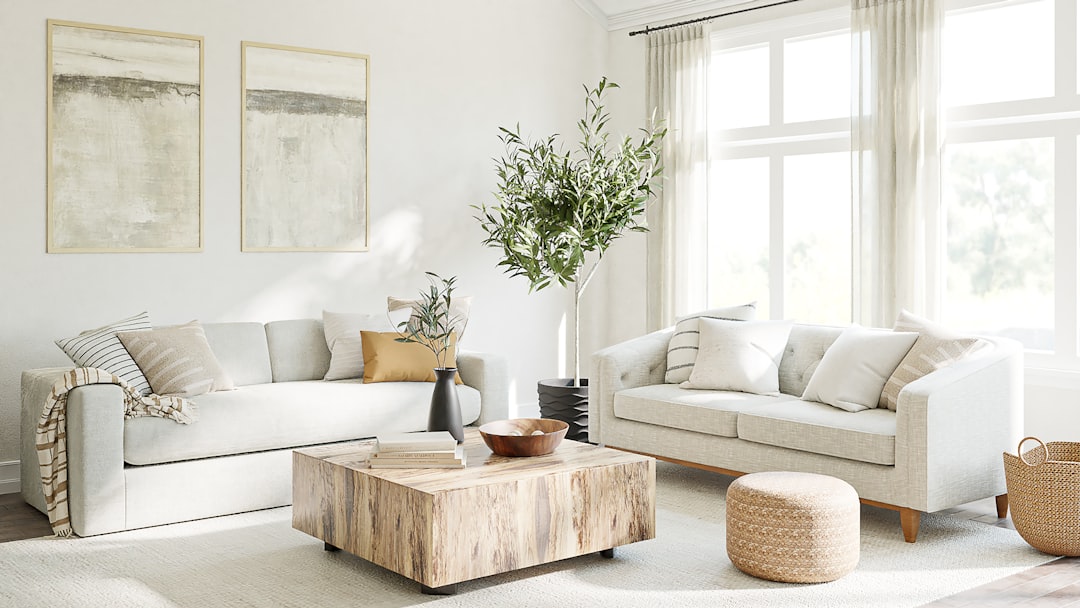
Many people believe that sticking to neutral colors is the only way to achieve a timeless look in their home. This myth can lead to uninspired spaces that lack personality and warmth. While neutral colors certainly provide a versatile backdrop, incorporating bold colors can enhance the overall aesthetic and create focal points that draw the eye.
Truth: A well-balanced palette can include both neutrals and bold colors. By using a mix of shades, you can create depth and interest in your decor. For instance, pairing a soft gray with vibrant accents like teal or mustard can make a room feel both modern and inviting, allowing your personality to shine through without overwhelming the space.
Understanding Color Theory
Color theory is essential for anyone looking to create a harmonious color palette. It involves understanding the color wheel, which illustrates how colors relate to one another. Primary colors can be mixed to create secondary colors, and understanding these relationships can help you choose colors that complement each other beautifully.
Additionally, the concepts of warm and cool colors play a significant role in setting the mood of a room. Warm colors like reds and yellows can create a cozy and inviting atmosphere, while cool colors such as blues and greens can evoke calmness and tranquility. Knowing how to balance these colors can lead to a more cohesive and appealing design.
Assessing Your Space
Before selecting a color palette, it’s crucial to assess the space you are working with. Consider the size of the room, the amount of natural light it receives, and the existing furnishings. Smaller rooms may benefit from lighter colors to create an illusion of space, while larger rooms can handle darker shades without feeling cramped.
Moreover, take note of any architectural features or elements that you want to highlight. For example, if you have beautiful crown molding or a fireplace, choose colors that will accentuate these features rather than detract from them. This thoughtful approach ensures that your color choices enhance the overall design rather than clash with it.
Creating a Color Palette
When creating a color palette, start by selecting a dominant color that resonates with you. This color will set the tone for the entire space. From there, choose one or two complementary colors that will work well with your dominant shade. These can be used for accent walls, furniture, or decor items.
Don’t forget to incorporate textures and patterns into your palette. Textured fabrics and patterned wallpapers can add depth and interest to your design. By layering different materials and colors, you can create a rich and inviting environment that feels both stylish and comfortable.
Testing Your Colors
Once you have narrowed down your color choices, it’s essential to test them in your space. Paint small swatches on the walls and observe how the colors look at different times of the day. Lighting can dramatically change the appearance of colors, so it’s important to see how they interact with your home’s natural light.
Additionally, consider how your chosen colors will work with your existing decor and furnishings. Bring in fabric samples or decor items to see how they complement your color palette. This step ensures that your final choices will create a cohesive and harmonious look throughout your home.